


Where shall we take you?
“Let way to the region that advances in triumph!”
(Anthem of Valencia, Maximiliano Thous)
Valencia, "Cap i casal"
Backed by over 2,000 years of history, Spain's third-largest city is a melting pot of cultures. Within its crumbling walls lie the remains of Iberians, Romans, Carthaginians, Visigoths, Muslims, Jews, and Christians, a stark contrast to the futuristic buildings of the City of Arts and Sciences, which have served as a backdrop for numerous science fiction films and series. Perhaps it is for this reason, or perhaps for its nearly 170 km of bike lanes, or for being a welcoming Mediterranean city that enjoys 330 days of sunshine a year, that Valencia was chosen by Forbes in 2023 as the best city in the world to live in. Whether it's for its traditional neighborhoods (Ruzafa, El Cabanyal, El Carmen), its modernist markets (Central, Colón), its miles of green parks (Turia Park) and urban beaches (Cabanyal, Malvarrosa, Patacona), its architectural variety (Romanesque, Gothic, Baroque, Modernist), its diverse gastronomy (Valencia is much more than paella), or its hidden gems, you'll find your stay in Valencia leaves you wanting more. I'll guide you so you don't miss a thing and find answers to questions like: What's a bat doing on a coat of arms? Where does the expression "to sleep under the Valencian moon" come from? Or what is "the sparrow of Saint John"?
Let yourself go, get lost in Valencia.
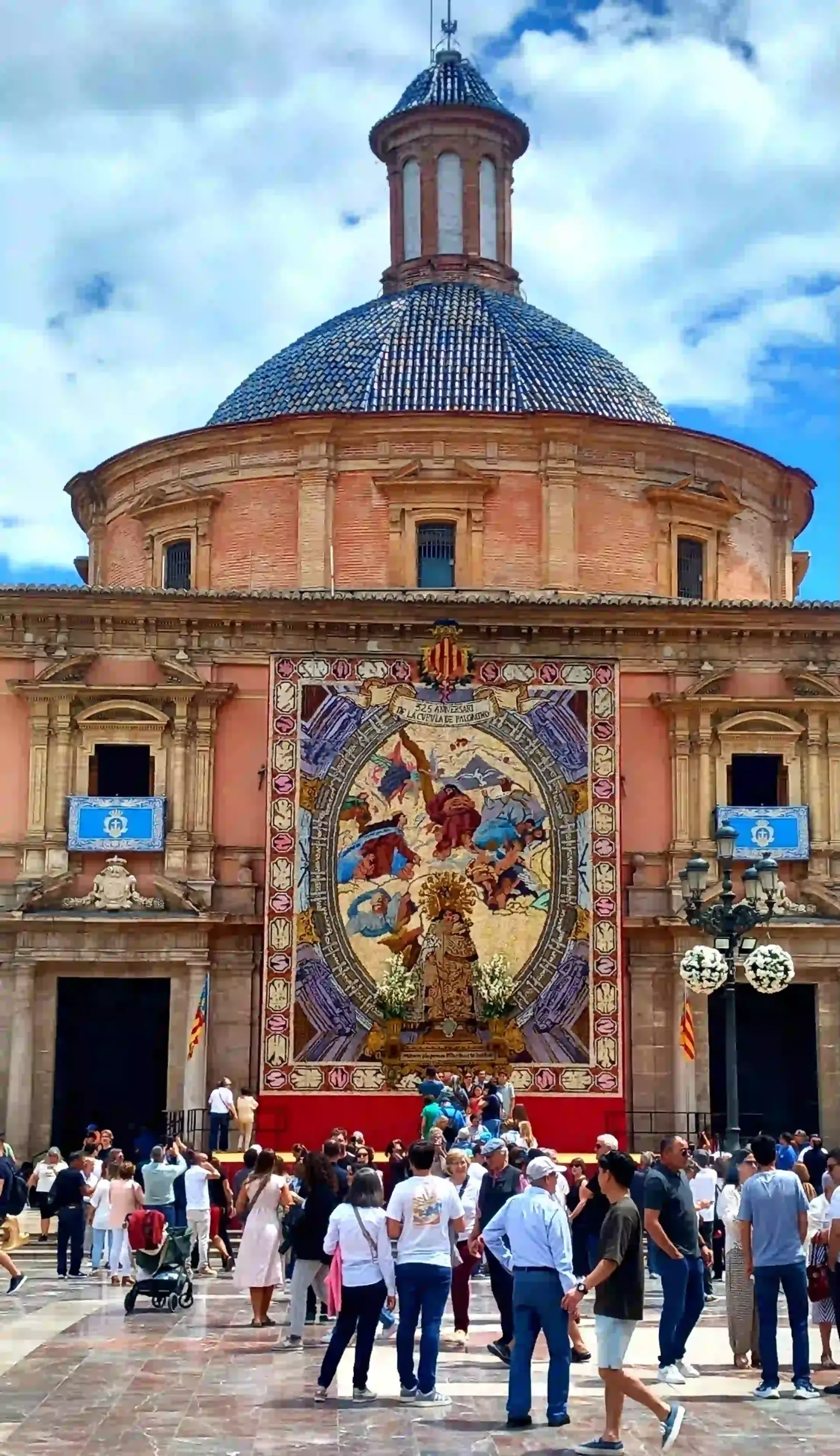
Valencia, historic center
Explore the city's most representative monuments on foot, and learn about its 22 centuries of history, from its founding to the present day.
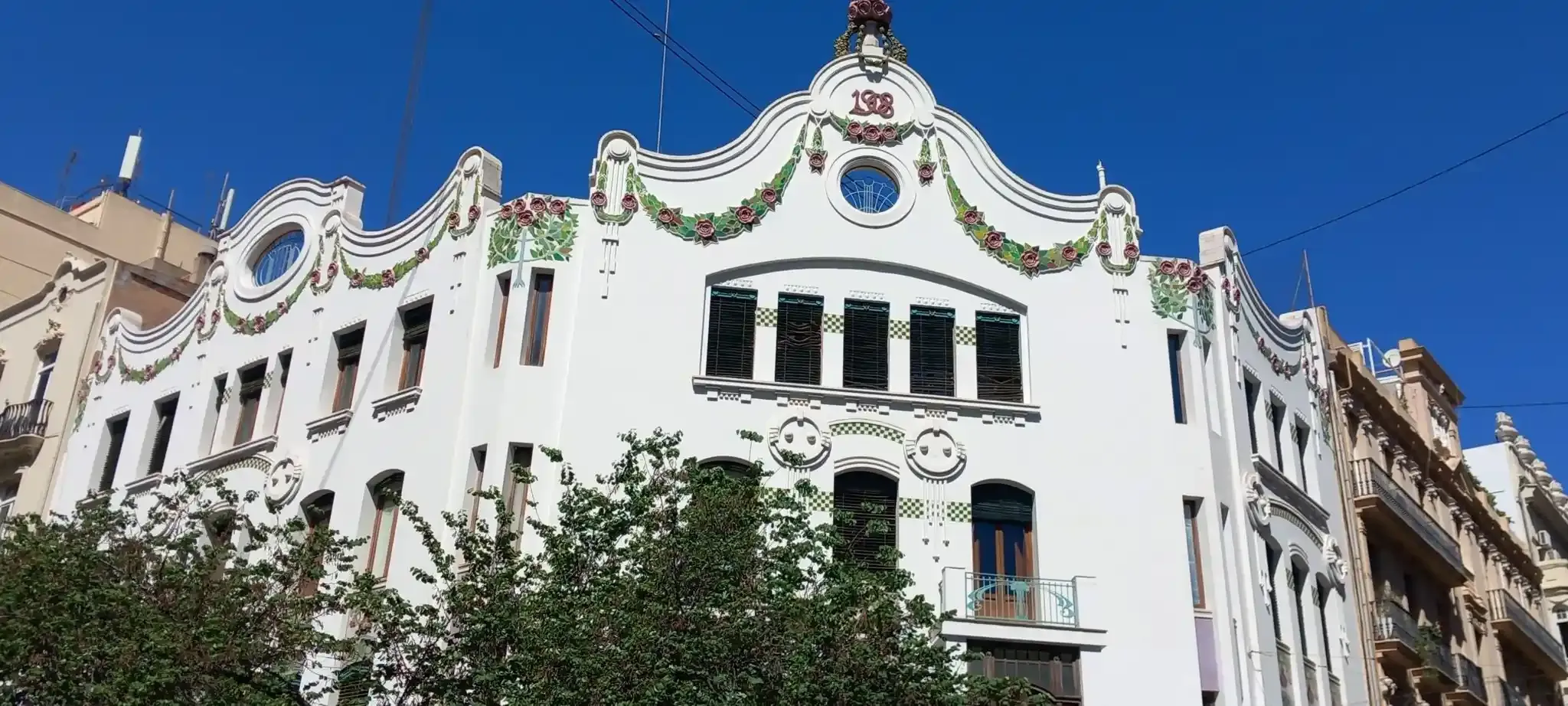
Modernist Valencia
Step back to Valencia in the 19th and early 20th centuries, immerse yourself in the socio-political situation of the time and marvel at the buildings constructed in Mediterranean Modernism and the Ensanche district.
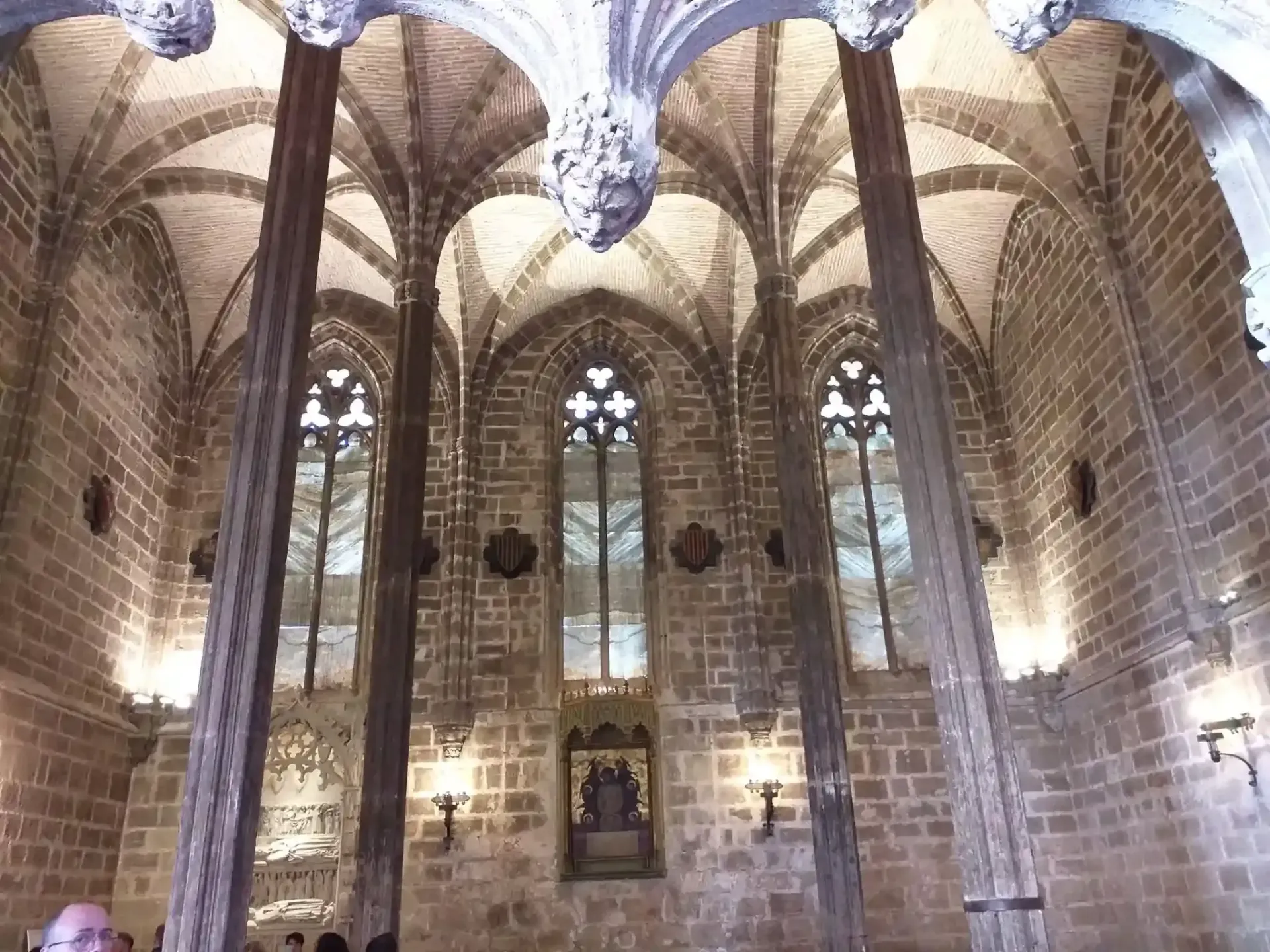
Gothic Valencia
The 15th century was Valencia's golden age. It is no coincidence that many of the city's most iconic buildings, such as the Silk Exchange (Lonja de la Seda), a UNESCO World Heritage Site, were constructed during this period.
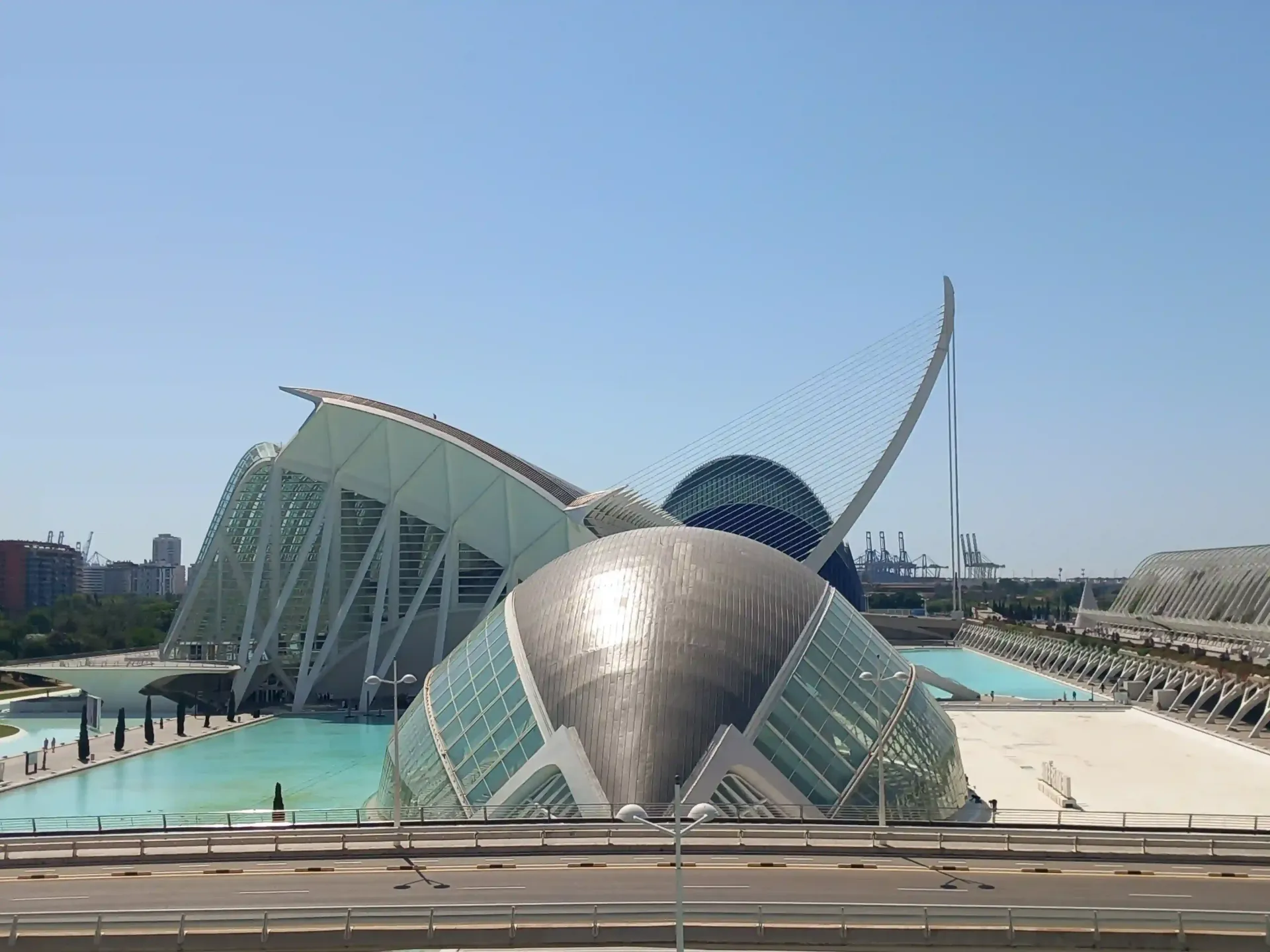
City of Arts and Sciences
This complex, built on the old Turia riverbed, has put Valencia on the map of international tourism and is currently the most visited tourist attraction in the city.
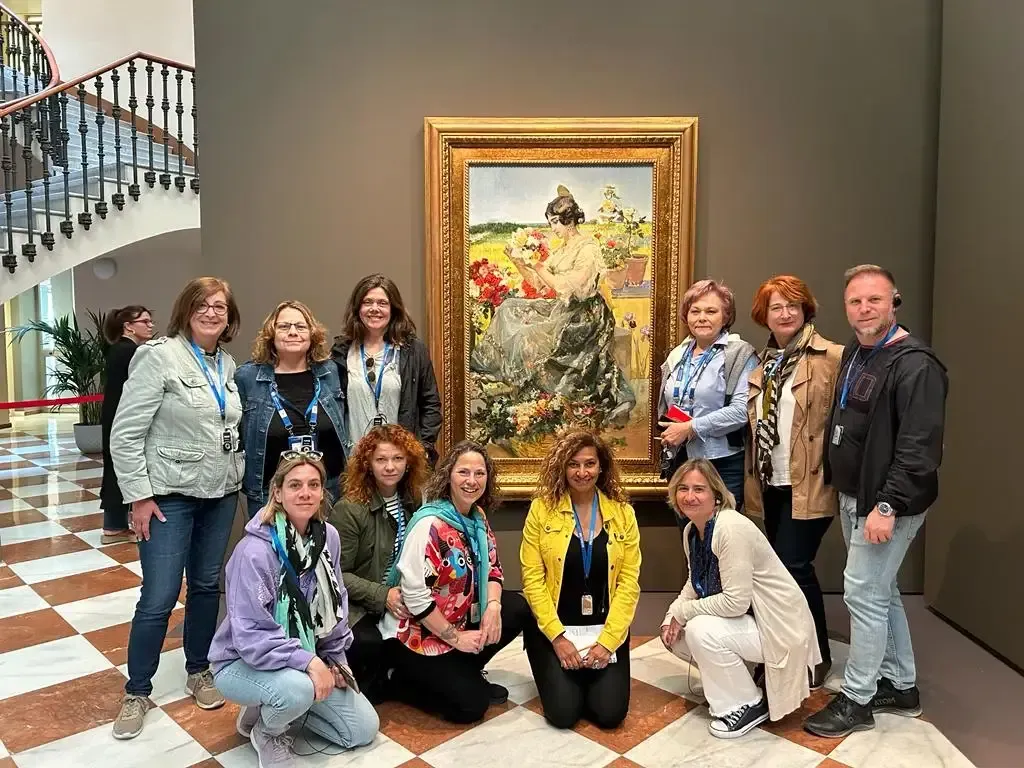
Museums of Valencia
The city's 34 museums offer something for everyone: world-renowned art galleries; gastronomic museums, such as the Rice Museum or the Horchata Museum; museums dedicated to guilds, like the Silk Museum; and interactive museums, like the Science Museum. Whether you're visiting alone, with friends, or as a family, we'll guide you to the one you choose.
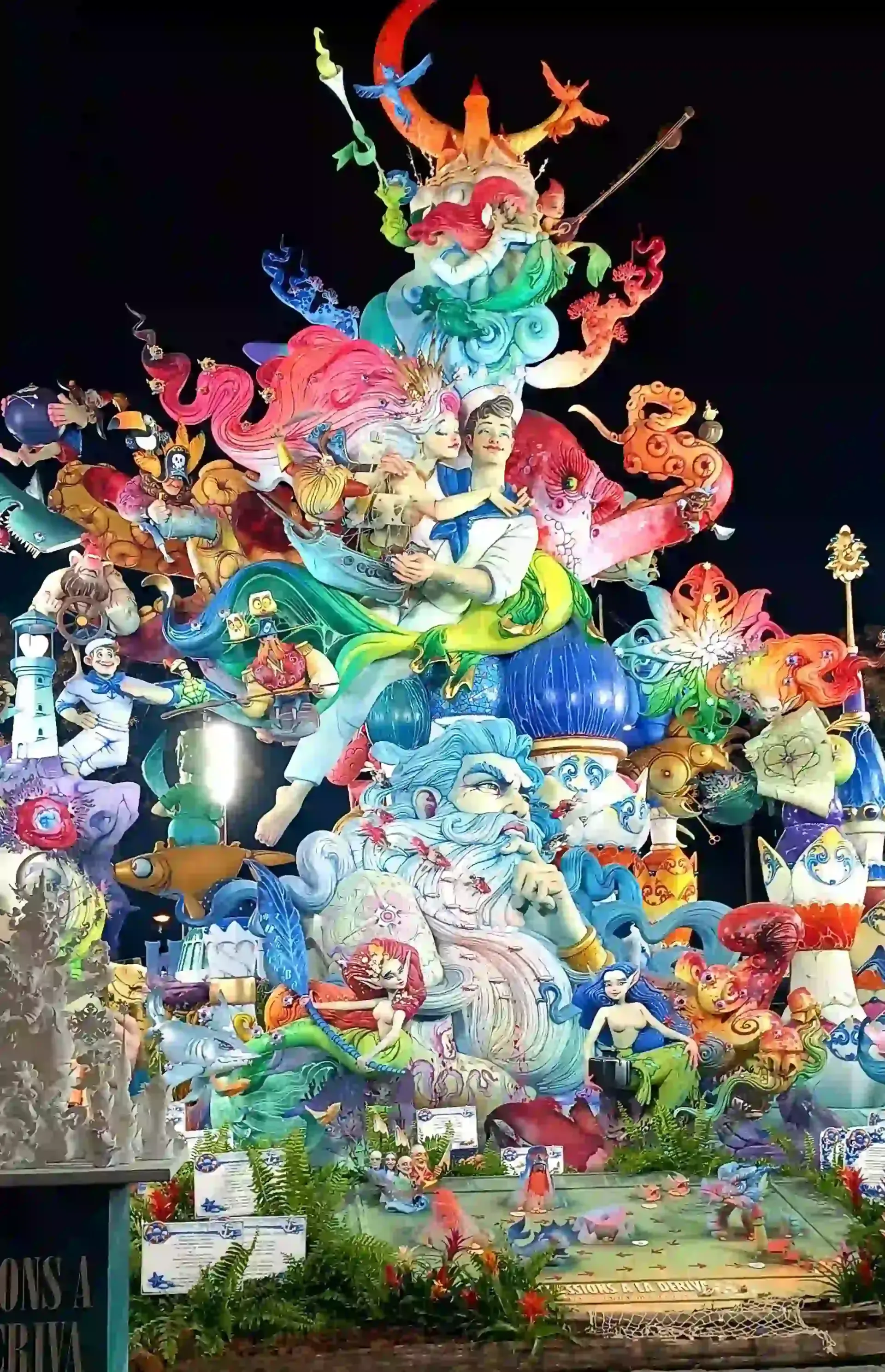
Party Valencia
Las Fallas, the mother of all our festivals, has been an Intangible Cultural Heritage of Humanity since 2016. Corpus Christi dates back to the 13th century and is the oldest of the festivals still celebrated, but we also have Moors and Christians, the Maritime Holy Week, the blessings of animals for Saint Anthony, and many more, which give Valencians a well-deserved reputation as partygoers.
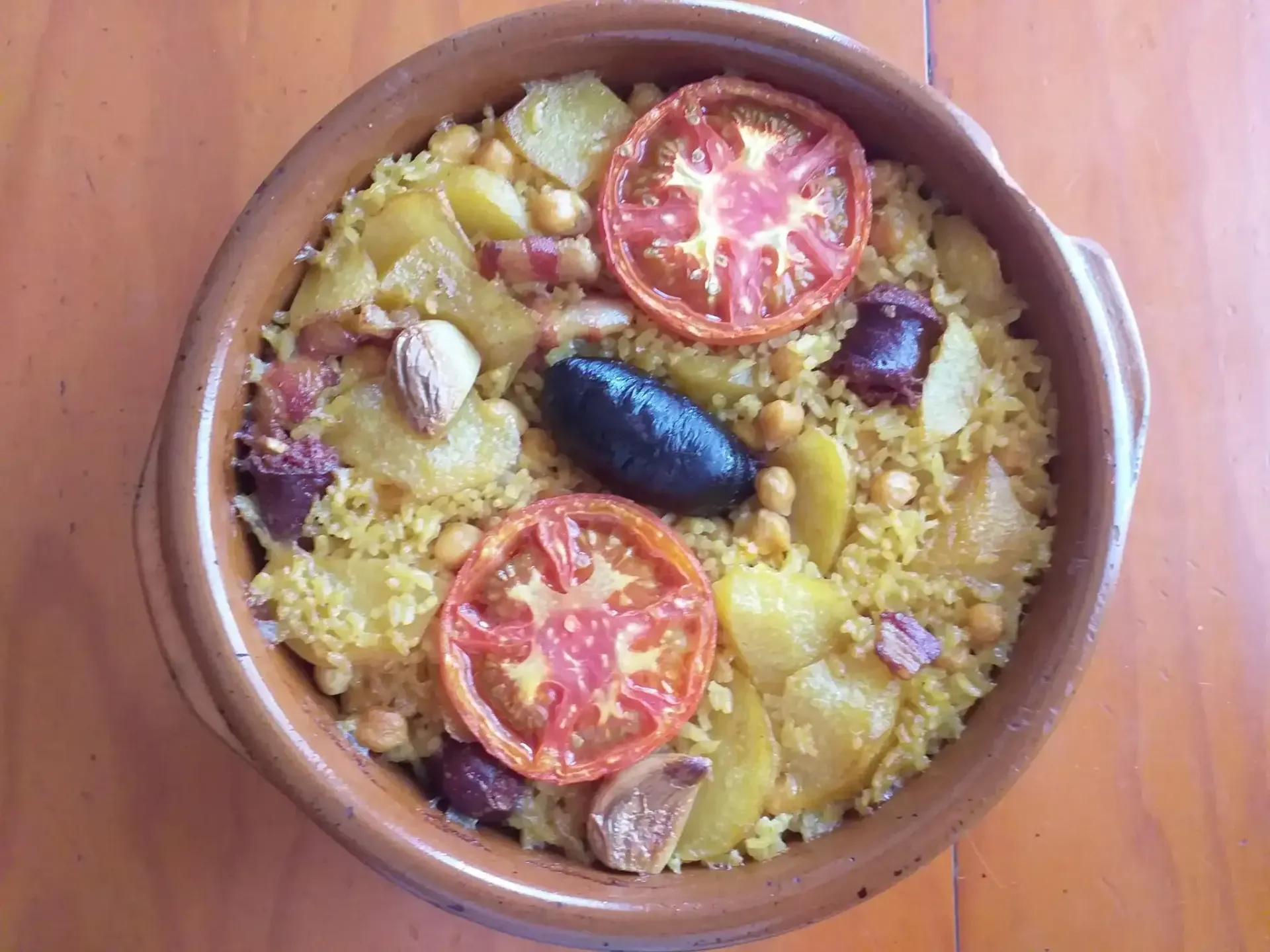
Eat Valencia
Horchata and fartons, "esmorzaret" (a mid-morning snack), chocolate fritters, sweet potato cakes, panquemaos (a type of sweet bread), and of course, paella, and the temple of traditional gastronomy: the Central Market. You can taste, learn about, and even prepare all kinds of traditional dishes yourself. We'll tell you where.
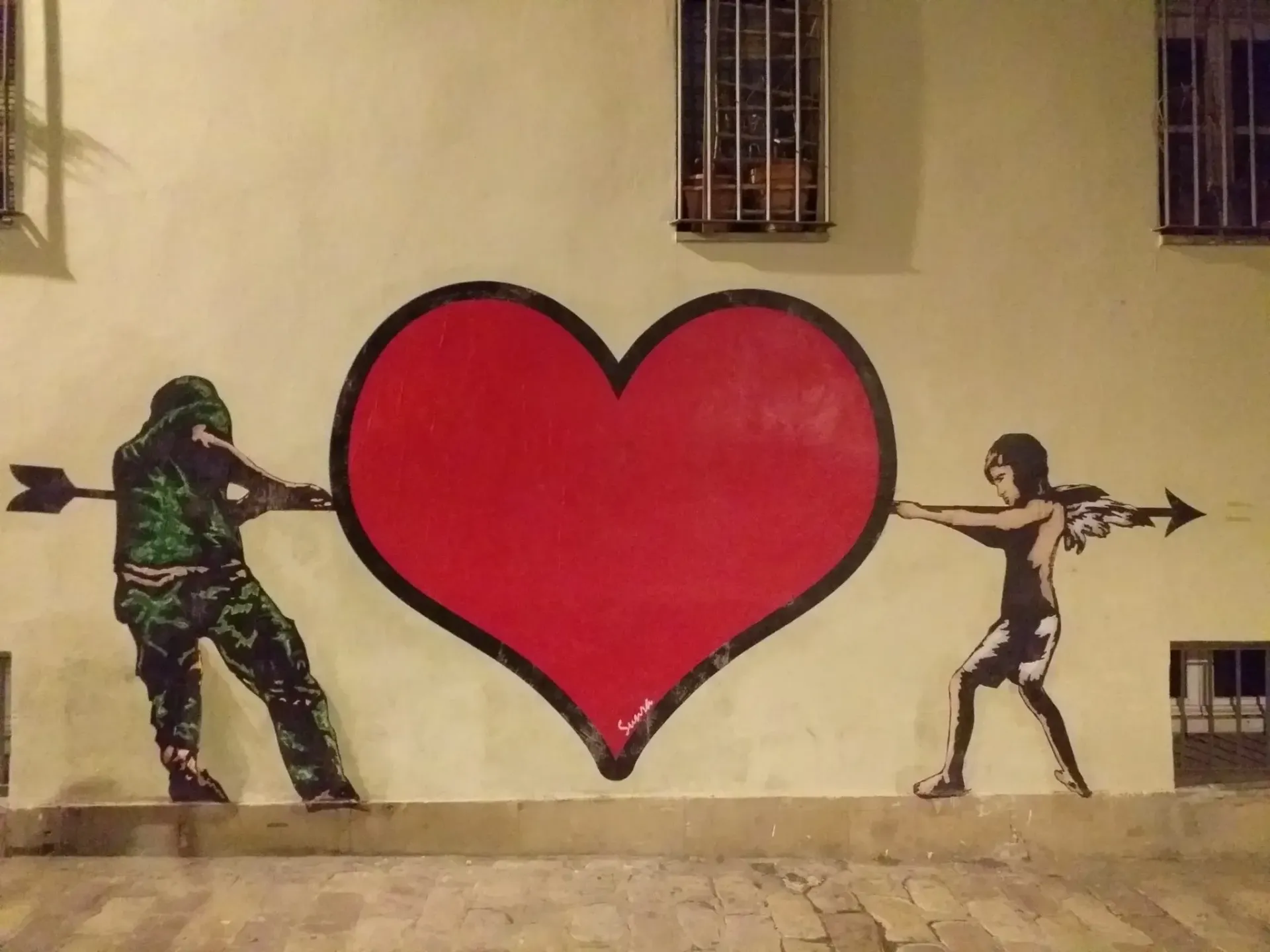
Valencian Curiosities
What's a bat like you doing on a shield like this? Where is the km. 0 of Valencian football? Where does the Virgin of the Forsaken get the nickname "geperudeta" (little hunchback)? And a thousand other things you won't find on Wikipedia.
Welcome to the Valencian Community: Leaving the city
Beach, sun, paella: The first words that come to mind when anyone talks about the Valencian Community. But "La Terreta" is a miniature continent where we can find activities for all tastes.
Mountains, medieval villages, Natural Parks, cave paintings, agriculture, winemaking, World Heritage festivals, 24 villages with fewer than 100 inhabitants, cities that compete in fame with European capitals (“Burriana, Paris and London”), Guinness Book records (Largest Paella and Longest Fireworks Display in the World), and even the Holy Grail.
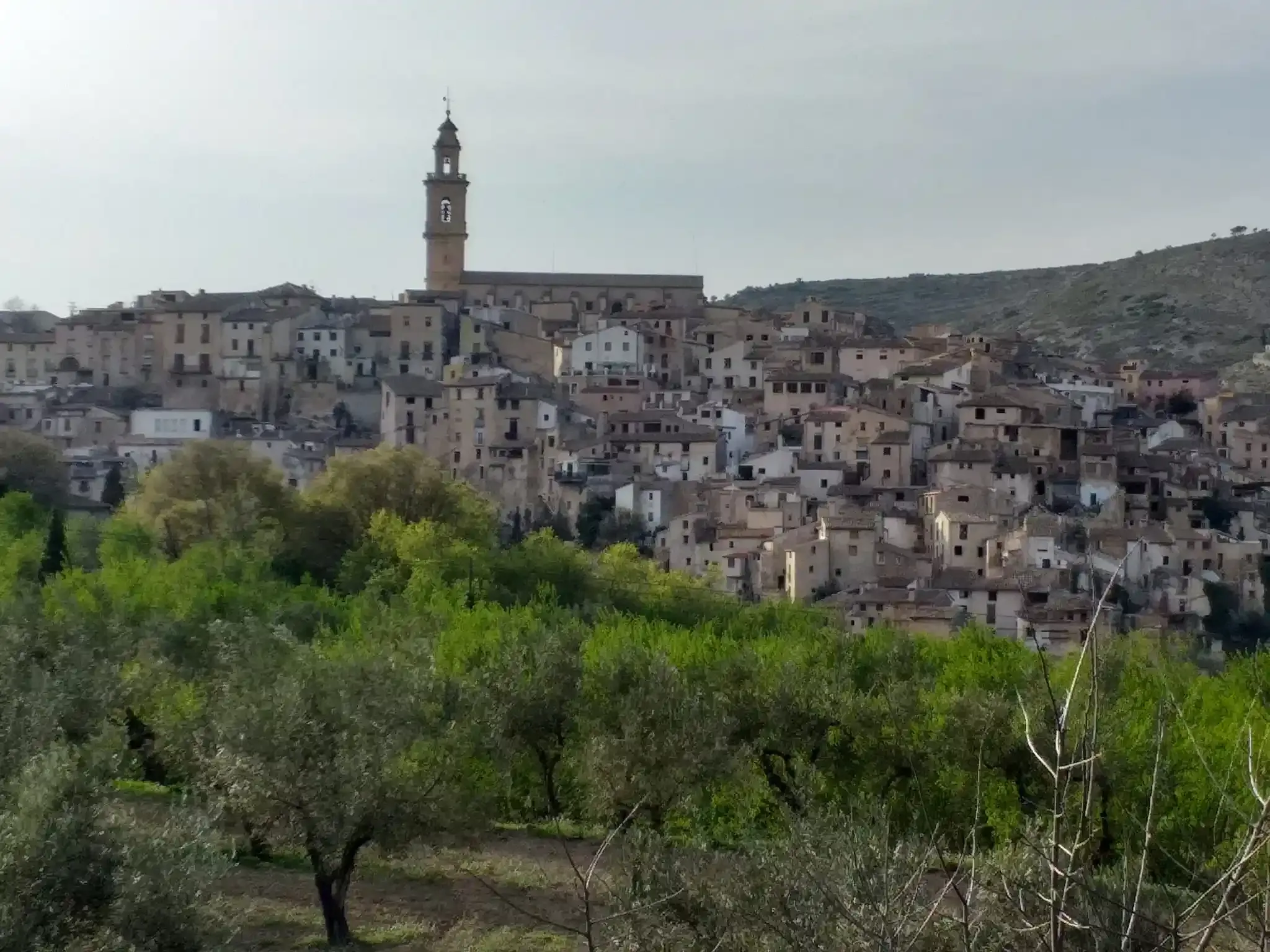
Are you going to miss it?
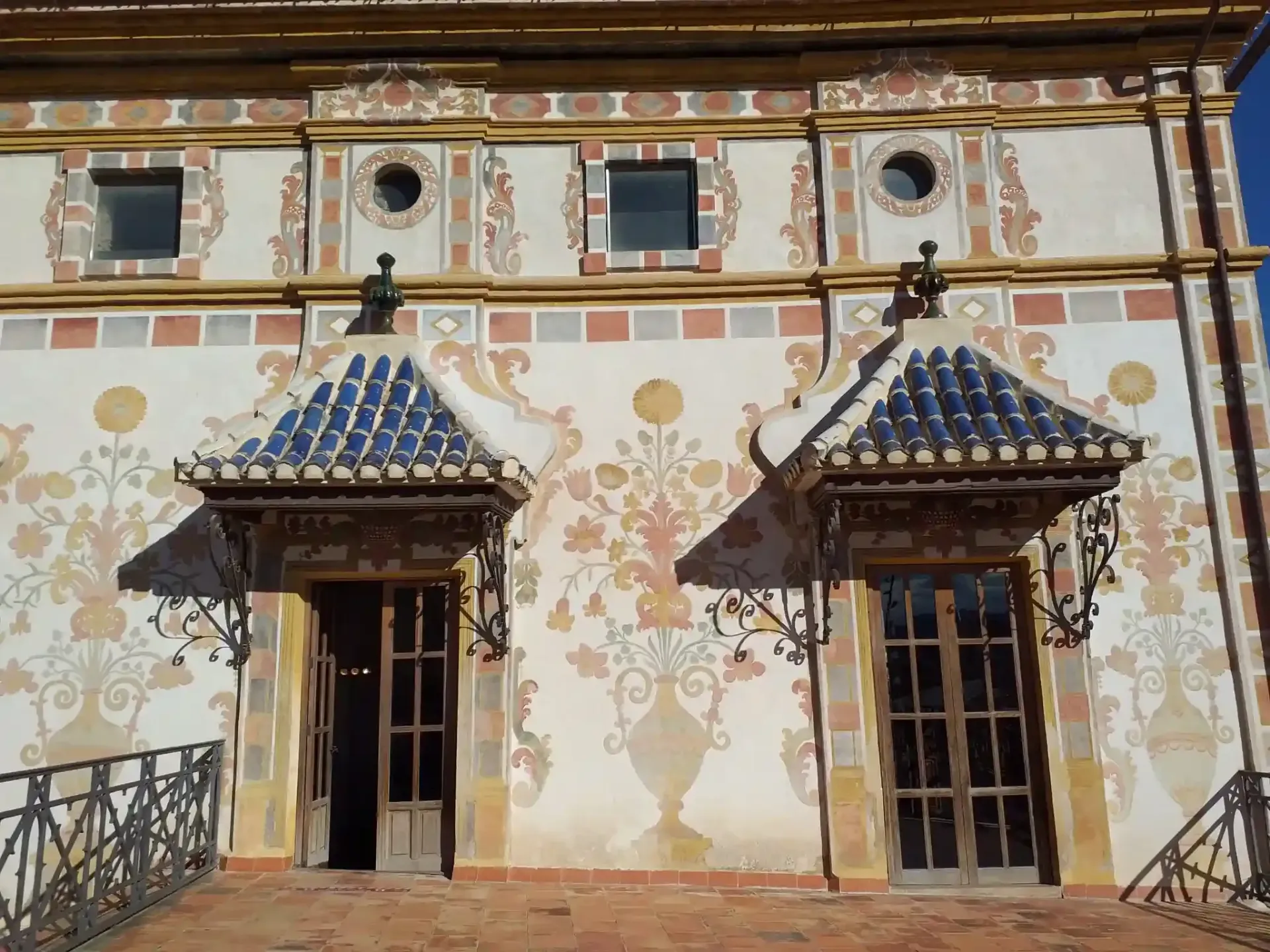
Xàtiva and Gandía, Borgia Territory
Did you know that the Borgia family, one of the most famous papal dynasties, originated in Xàtiva (Province of Valencia, formerly the Kingdom of Valencia)? This powerful family left an indelible mark on these two cities, which can be visited in a single day.
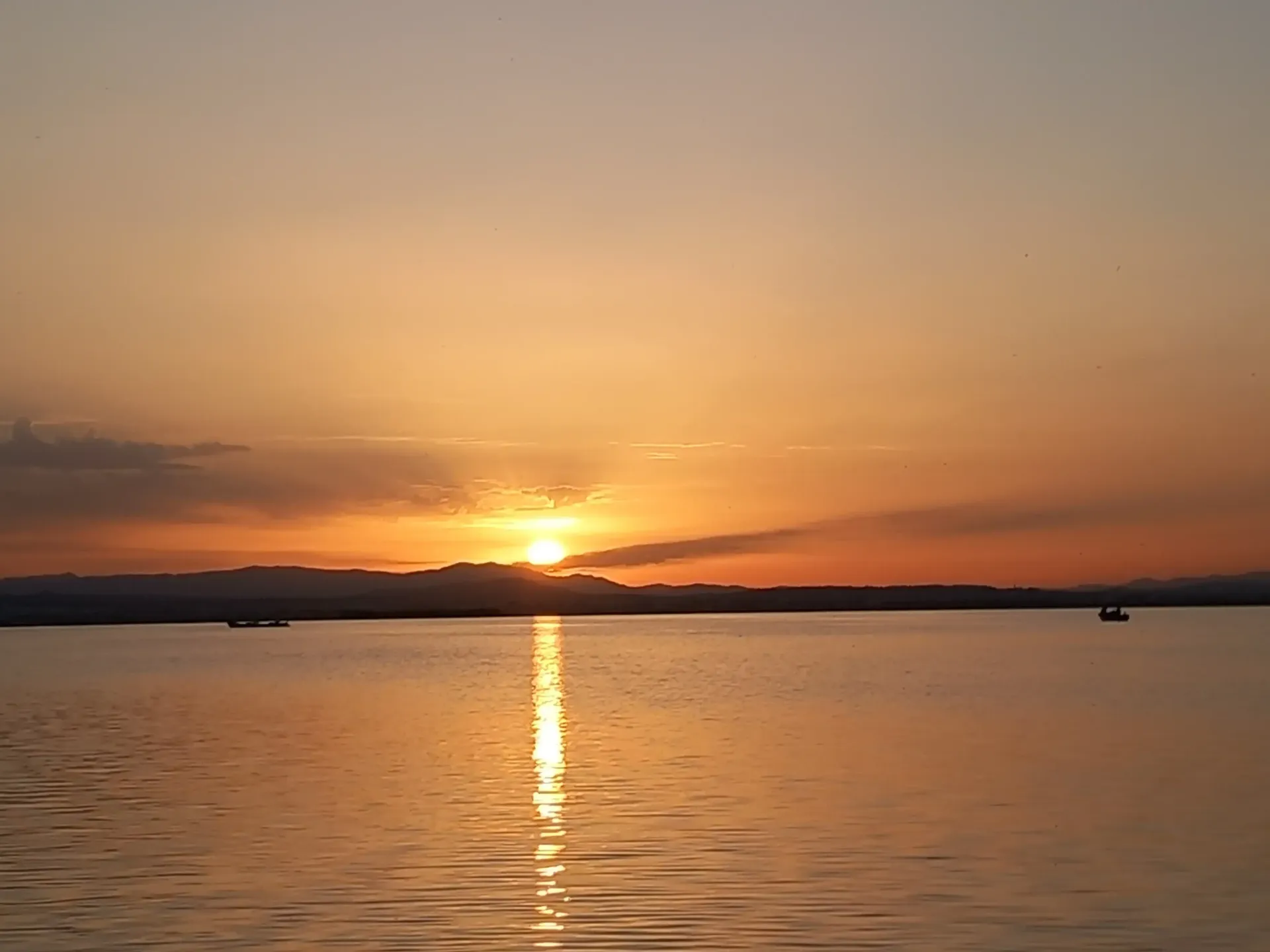
Albufera of Valencia, Natural Park and barracas
For Muslims, “Al-bujaira” (small sea) remains an important wetland, serving as a refuge for migratory birds from Europe and Africa, a rice cultivation area with the Protected Designation of Origin “Valencia Rice”, and a sentinel of the oldest original Valencian barracas in the region.
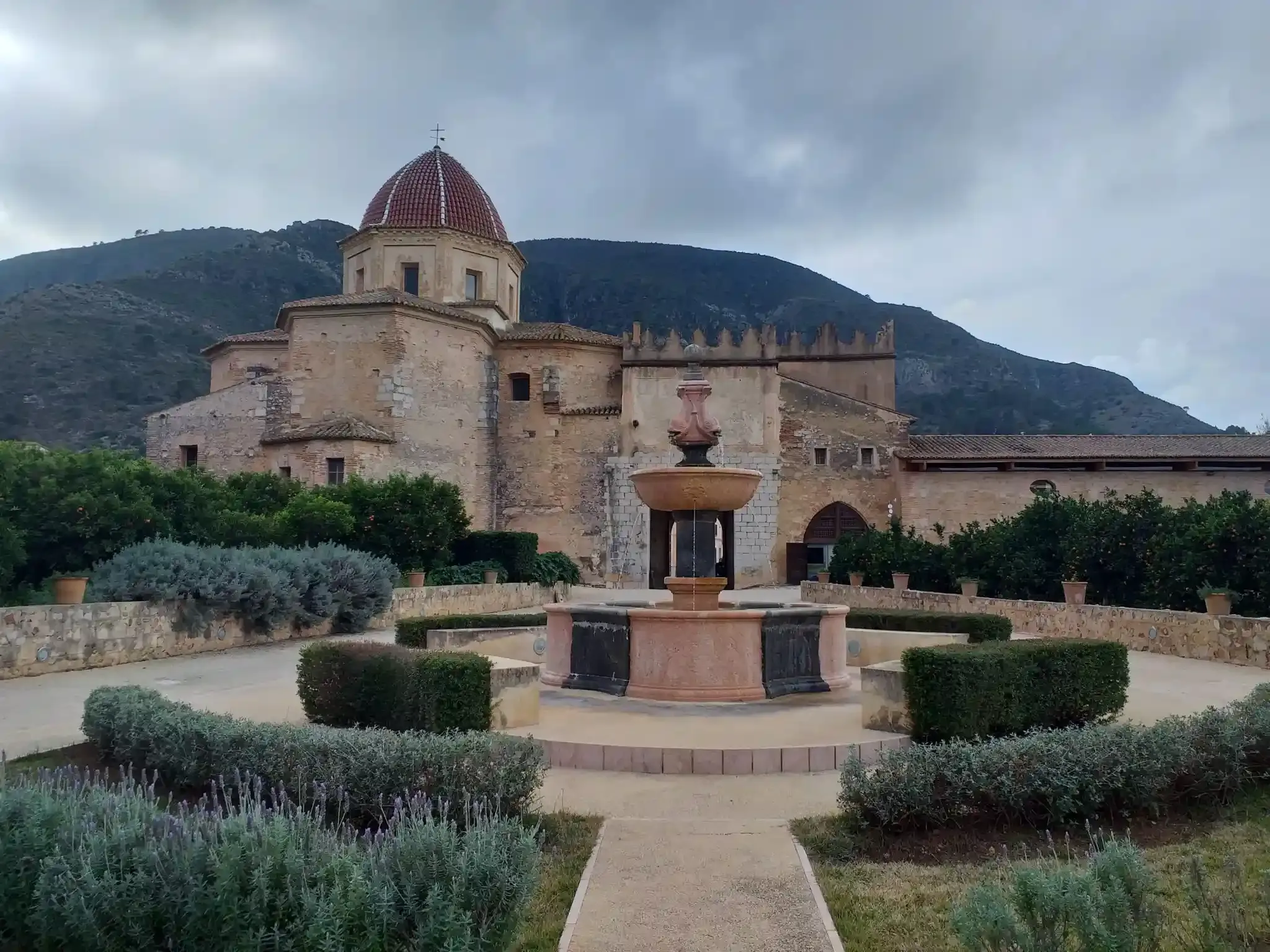
Route of the Monasteries
It is a tourist route, which connects the monasteries of the Murta in Alzira, Aigües vives in Carcaixent, Santa Maria de la Valldigna in Simat, Sant Jeroni de Cotalba in Alfauir and Corpus Christi in Llutxent; all of them located in the central regions of the Province of Valencia. Although there are also monasteries without leaving the city, such as Santo Domingo or San Miguel de los Reyes
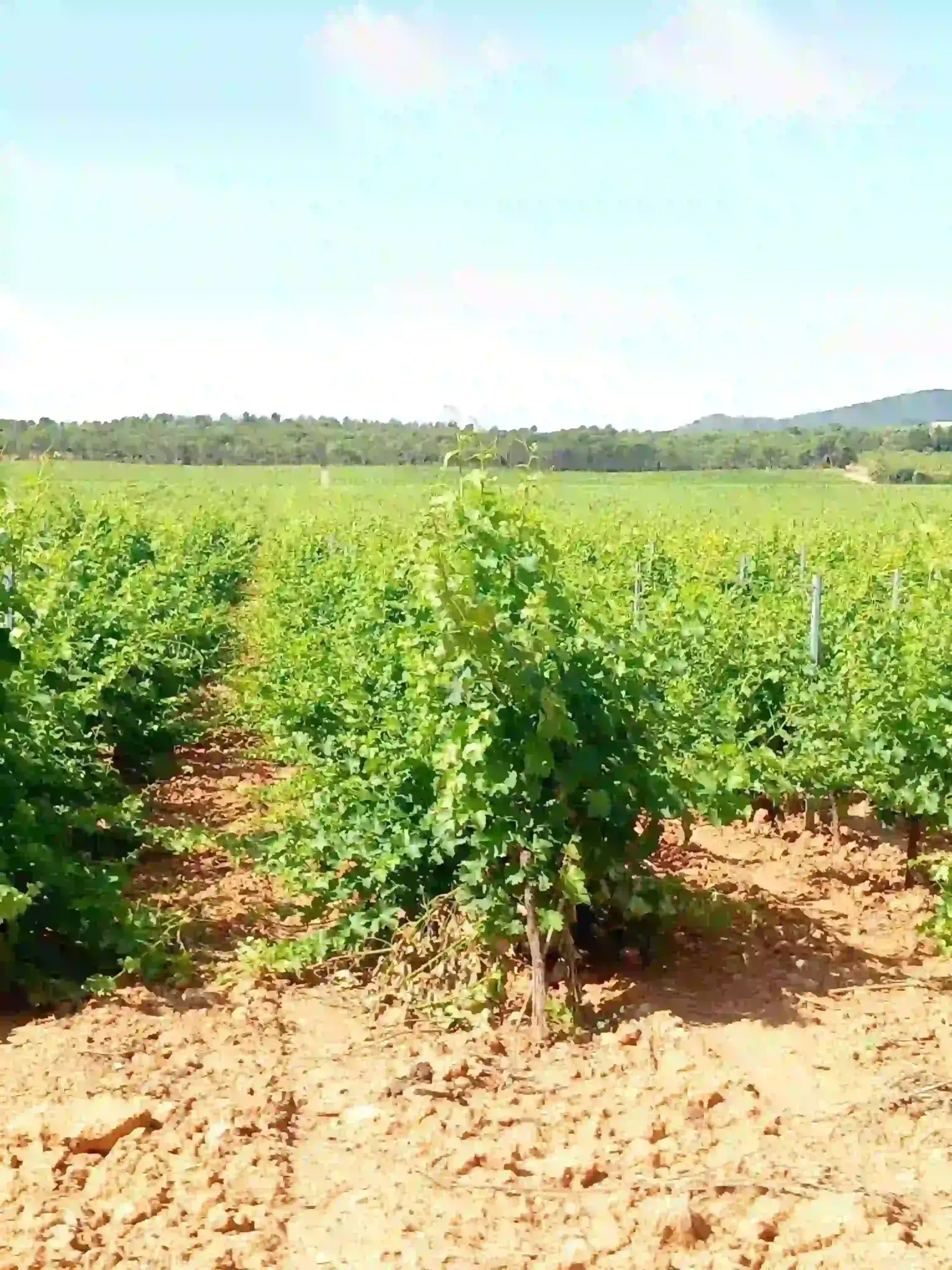
Requena, Land of Wines
Wine production in this region, home to the largest DO in the Valencian Community, has been documented since the 5th century BC. Furthermore, the town of Requena is a medieval gem that you cannot miss, and offers extraordinary gastronomy, more Castilian than Mediterranean.
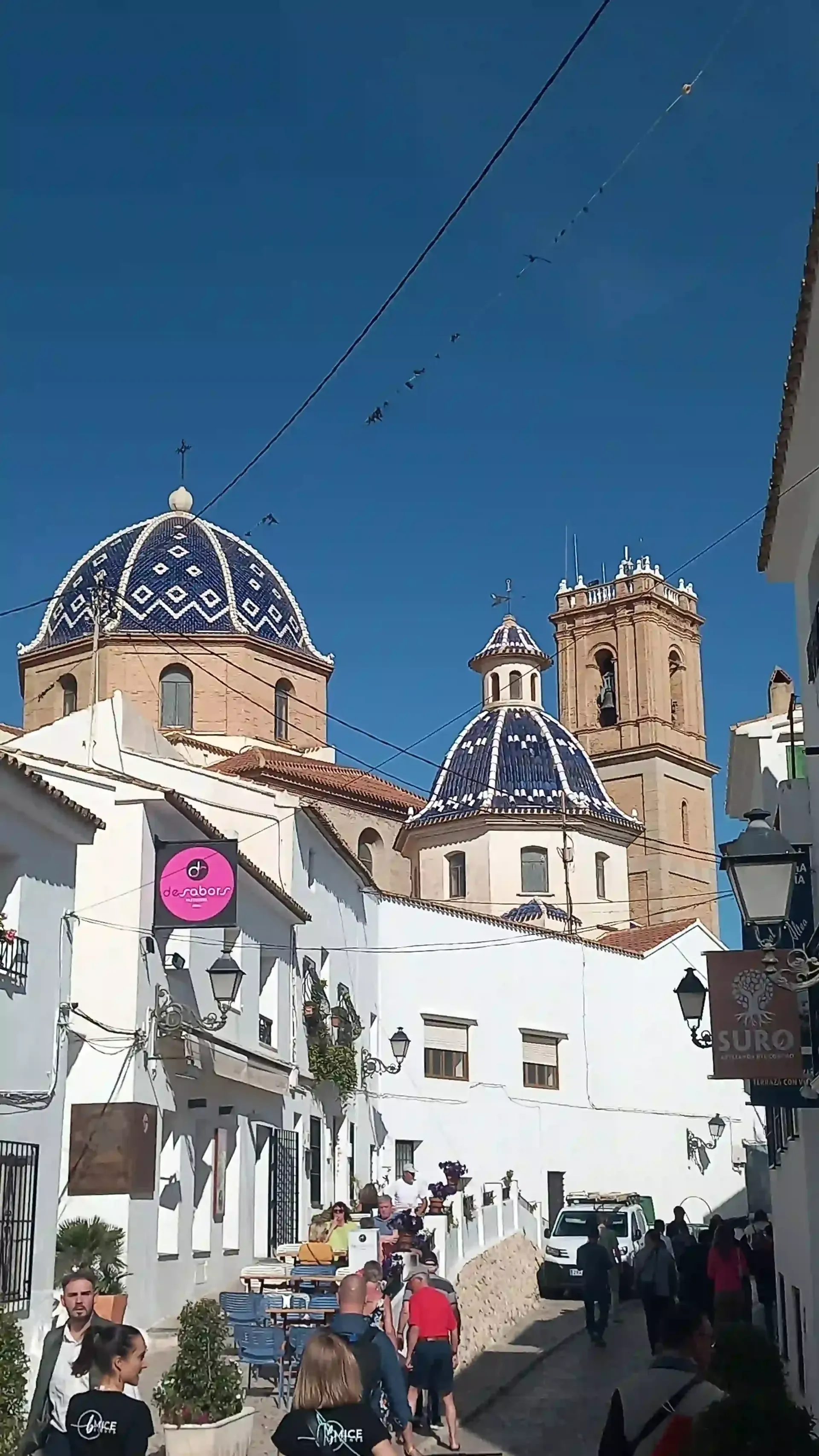
Marina Alta and Baja of Alicante
Dénia, Jávea, Calpe, Guadalest, Altea, “Beniyork”, Villajoyosa, several Natural Parks, Theme Parks, chocolate factories…No, one day won't be enough.
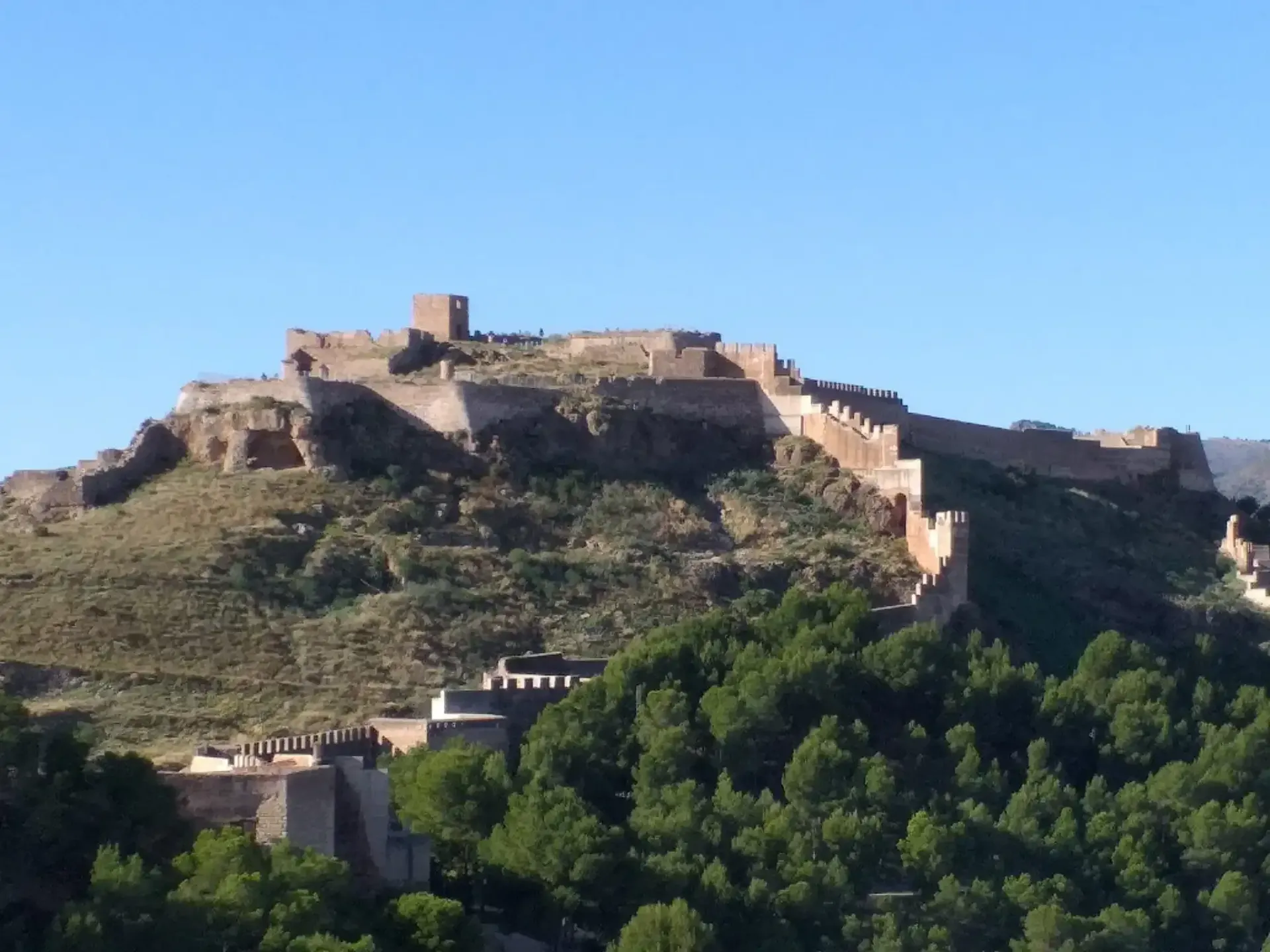
Sagunto, following in Hannibal's footsteps
A city predating Valencia, it was the most important in the region for Iberians, Romans, and Carthaginians. It preserves its Roman theater and one of the largest Jewish quarters in Spain. And a castle almost 1 km long, just a stone's throw from Valencia.
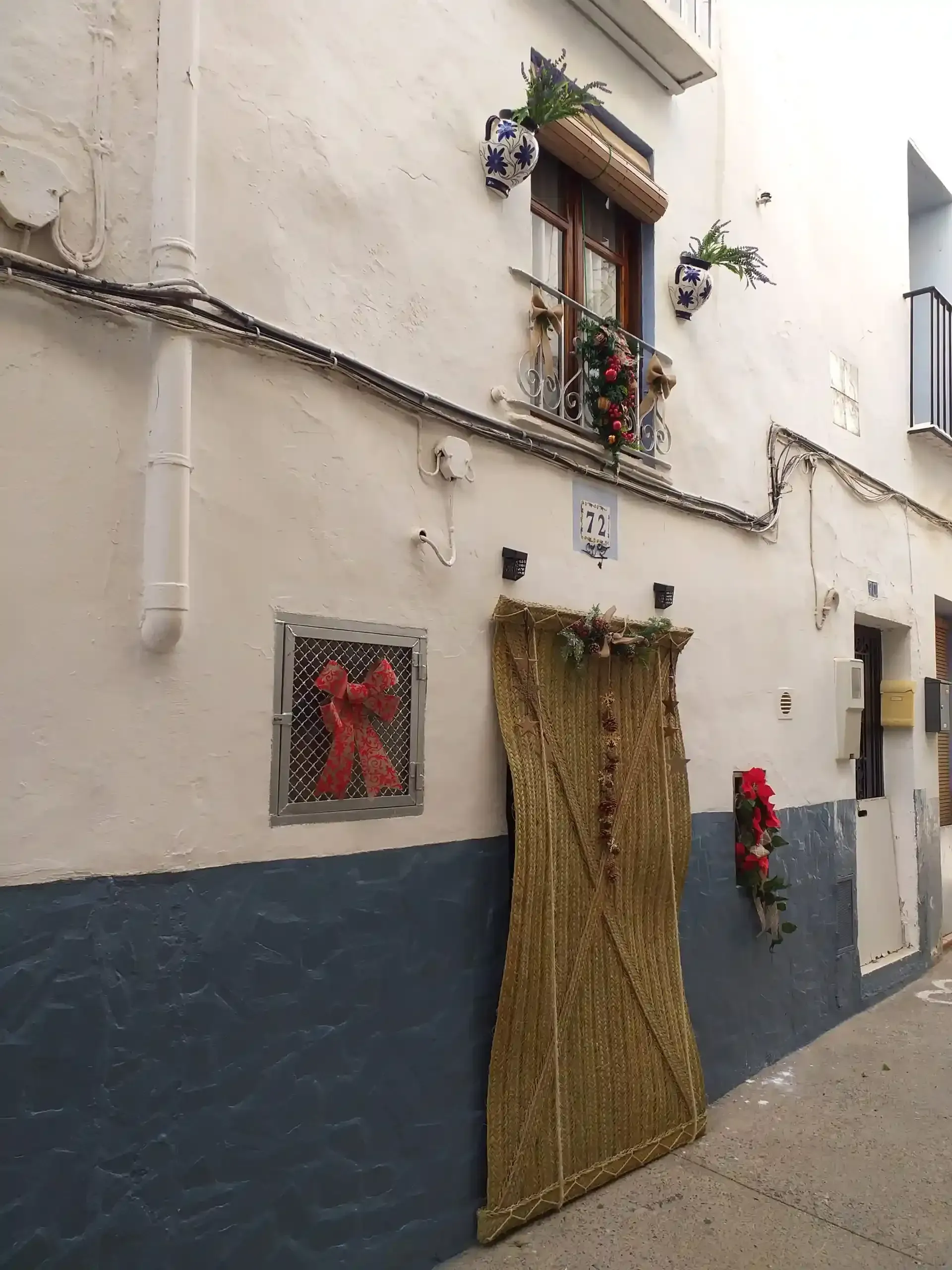
Chelva, Route of the 3 Cultures and Water Route
Muslims, Jews and Christians lived together for centuries in perfectly differentiated neighborhoods of this town, whose landscape is marked by the passage of the Turia River.
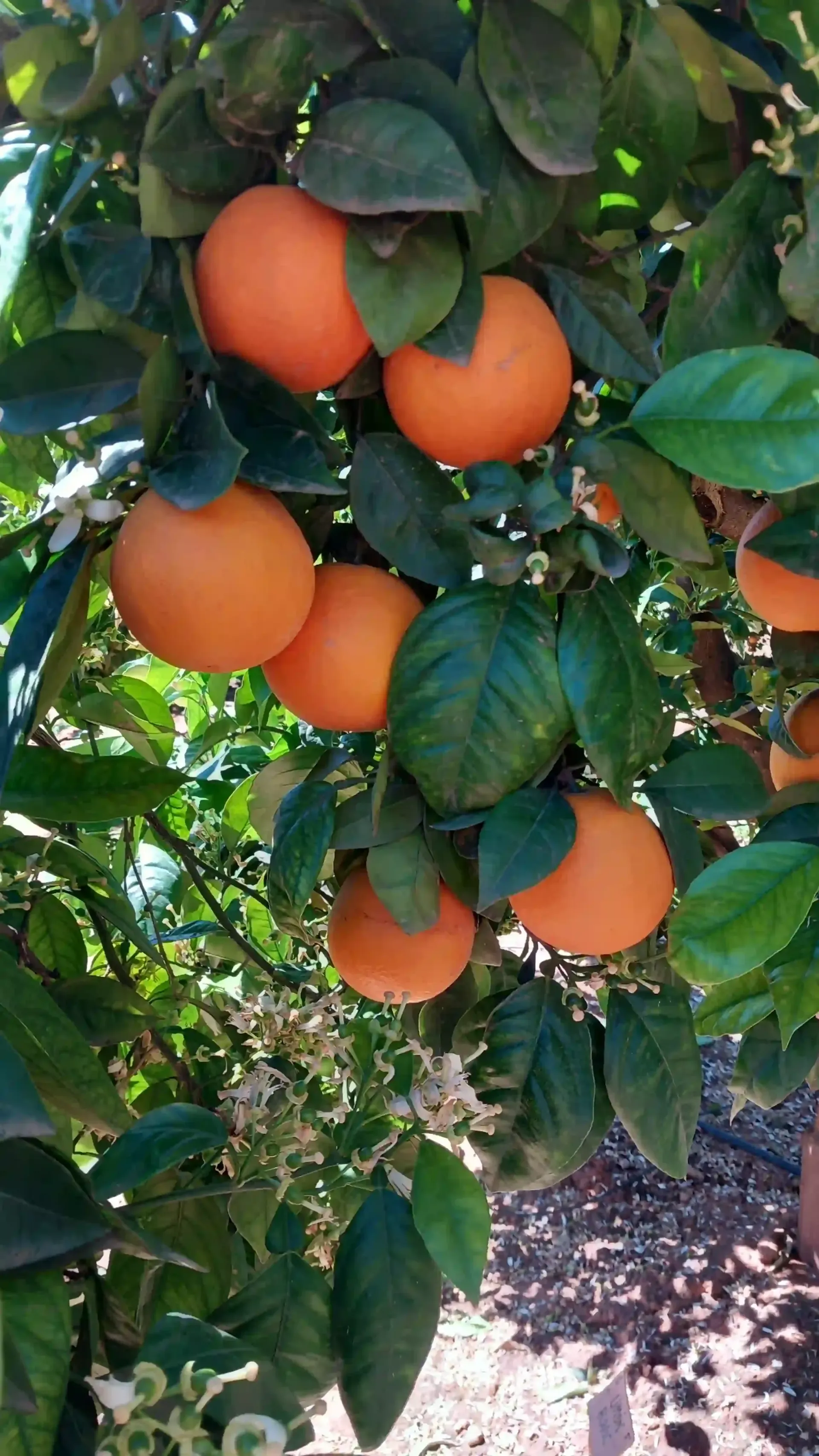
The Valencian orange route
Carcaixent (Carcajente), known as "The Cradle of the Orange," still preserves its modernist buildings and several orange groves with their original stately homes. See for yourself that an orange freshly picked from the tree doesn't taste the same as one from the supermarket.
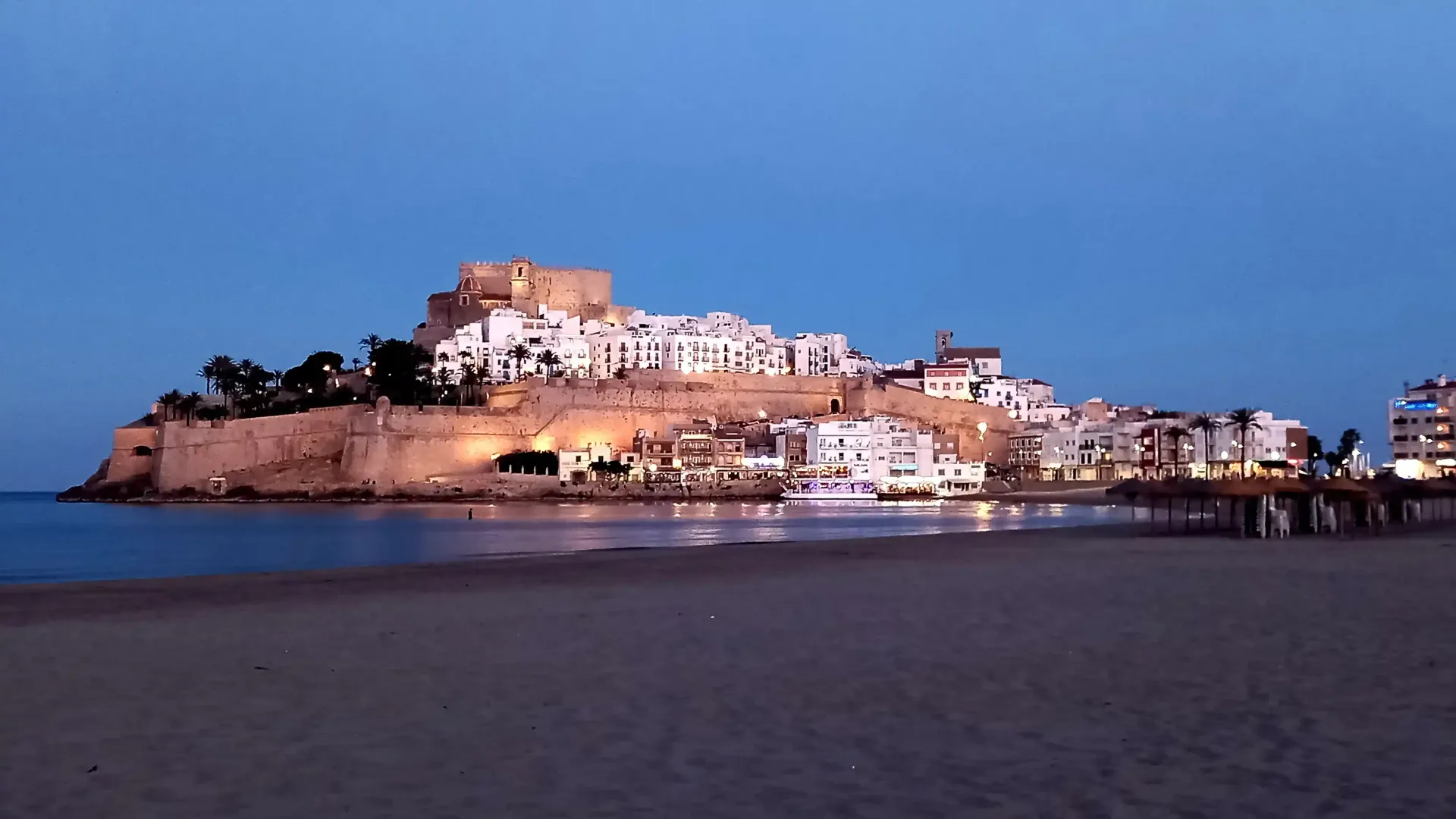
Peñíscola
This medieval gem, once the papal seat of Pope Luna, is located on the Costa del Azahar (Castellón). The white citadel, built by the Templars on a rocky atoll, divides its two idyllic beaches.
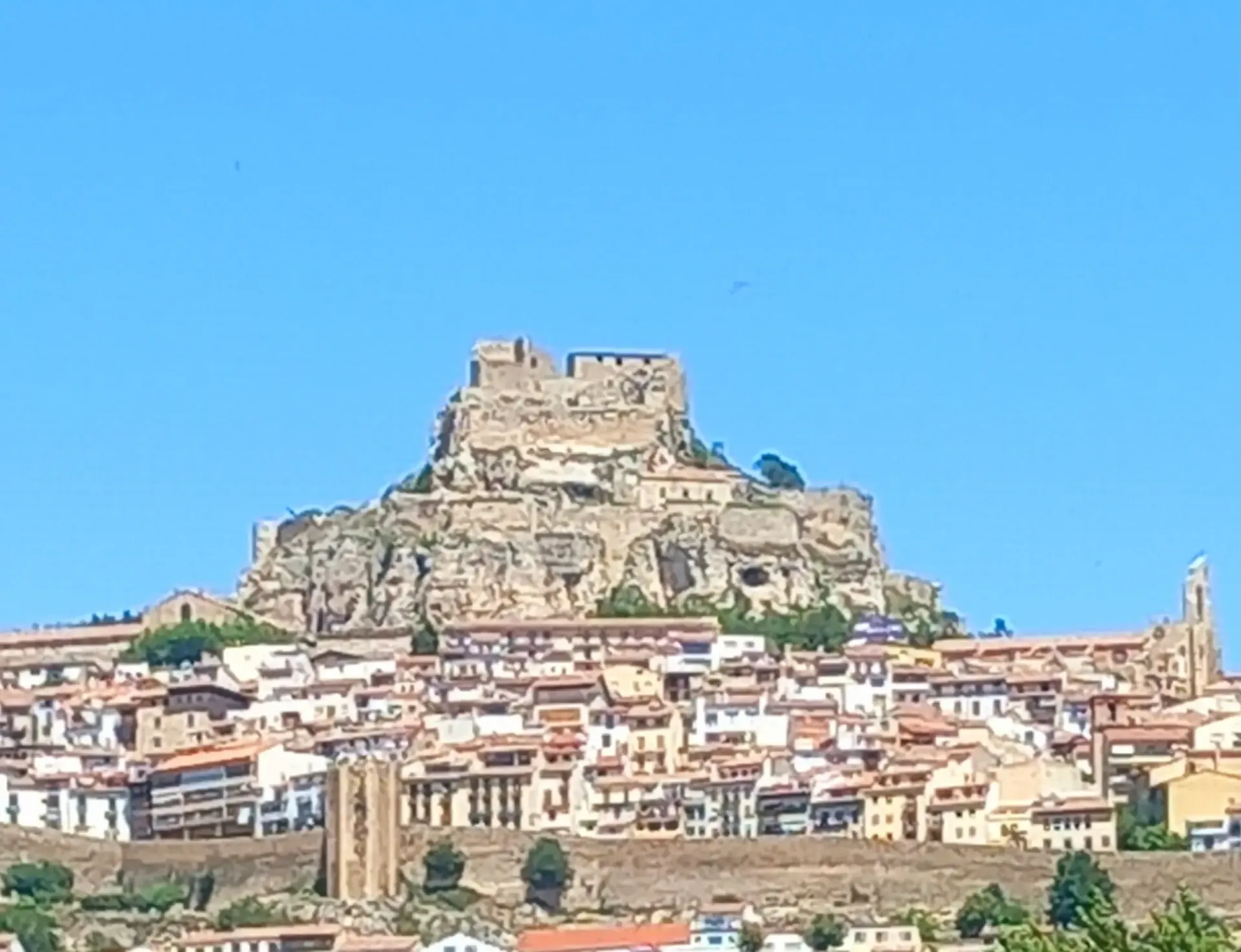
Morella
Conquered in the 13th century by Blasco de Alagón, it preserves its 2 km of medieval wall, a castle that was a stronghold of the Tiger of Maestrazgo, and the convent where the “meeting of the 3 crowned heads” was held.
Do you have another destination in mind?
Every trip is different. Tell us what you'd like to discover and we'll design an experience tailored to you, your interests, and your pace.